
GE wins deals for F/A-18 engine parts, hypersonic test
The company was separately awarded one deal worth up to $2.9 billion to supply parts for its F414 engine, and another to provide a hypersonic test vehicle for the Defense Innovation Unit.
The company was separately awarded one deal worth up to $2.9 billion to supply parts for its F414 engine, and another to provide a hypersonic test vehicle for the Defense Innovation Unit.
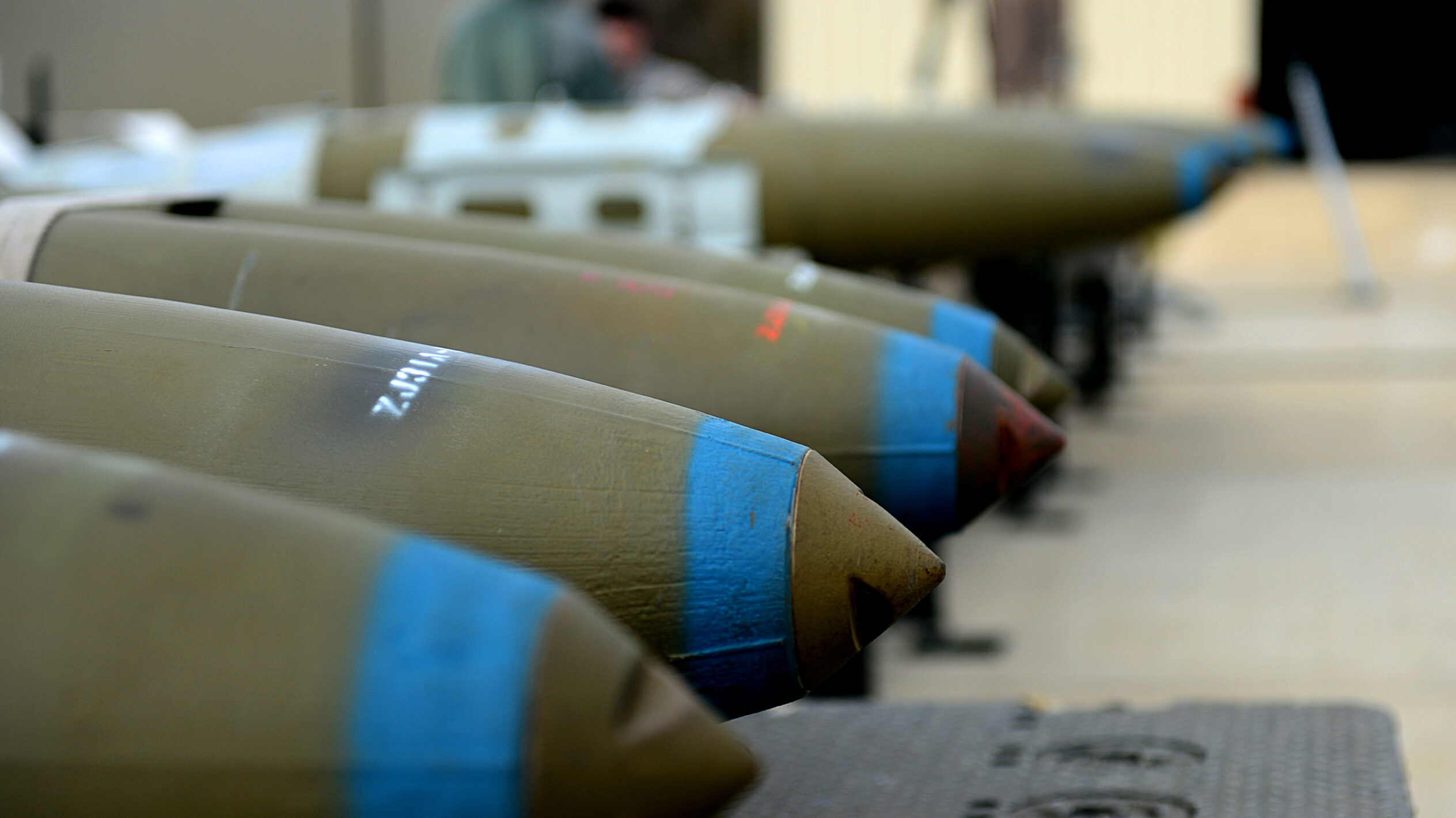
Considering only the price tag of a munition and its energetic filling may lead the US military to seriously undervalue improved energetics, argues CSBA's Tyler Hacker.

AI-enabled workflows accelerate production, but cybersecurity and governance remain central.

As Breaking Defense wraps up our time in Farnborough, here are some of our favorite photos.
The Missile Defense Agency is evaluating the company's ENOS spacecraft as a hypersonic target/testbed under the SHIELD contract, said Reditus CEO Stef Crum.
The Japanese government has earmarked $769 million in its defense budget for HVGP development and deployment for the upcoming fiscal year, which begins on April 1.

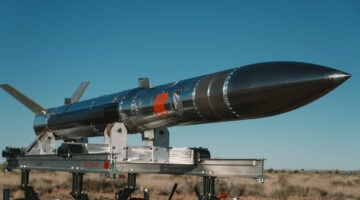
A new Air Force demonstrator with a novel engine is testing whether hypersonics can field faster, be adaptable, and affordably scale.
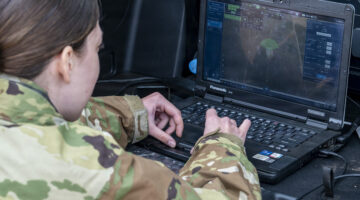
A commercial prototype in a sandbox is different from deploying AI across classified networks.
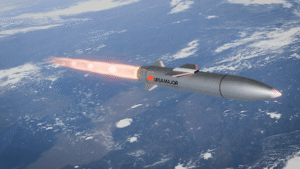
Ursa Major's new CEO Chris Spagnoletti told Breaking Defense that the company's new hypersonic weapon could cost $3 million a piece.

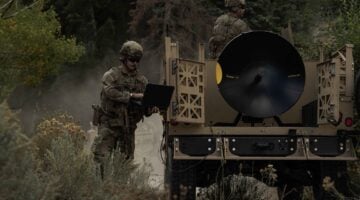
Enabling next-generation command and control with the same radio waveforms that were designed a decade-or-longer ago is a non-starter.

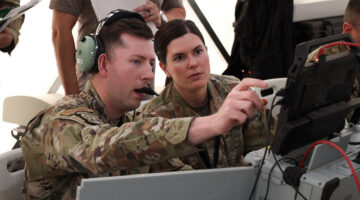
As threats evolve, the winning model ties digital engineering to manufacturing capacity and a reindustrialized supply chain.

The six men range from a former Amazon exec to a biologist who studied jellyfish stinging Navy divers, but all have extensive experience in the Defense Department’s tech apparatus.
AI is reshaping the Army’s approach to cyber, electronic warfare and command and control. At TechNet Augusta 2026, leaders outlined how they’re turning emerging technology into capabilities for the battlefield.
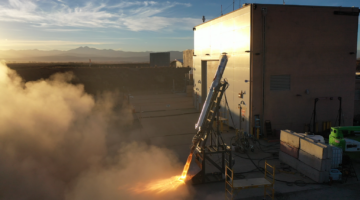
Ursa Major's American-made storable liquid rocket engine technology offers advantages over traditional liquid and solid rocket propulsion.

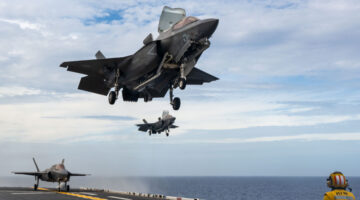
As aircraft shrink, threats expand, and technology accelerates, aircraft engines must iterate along with the threats.
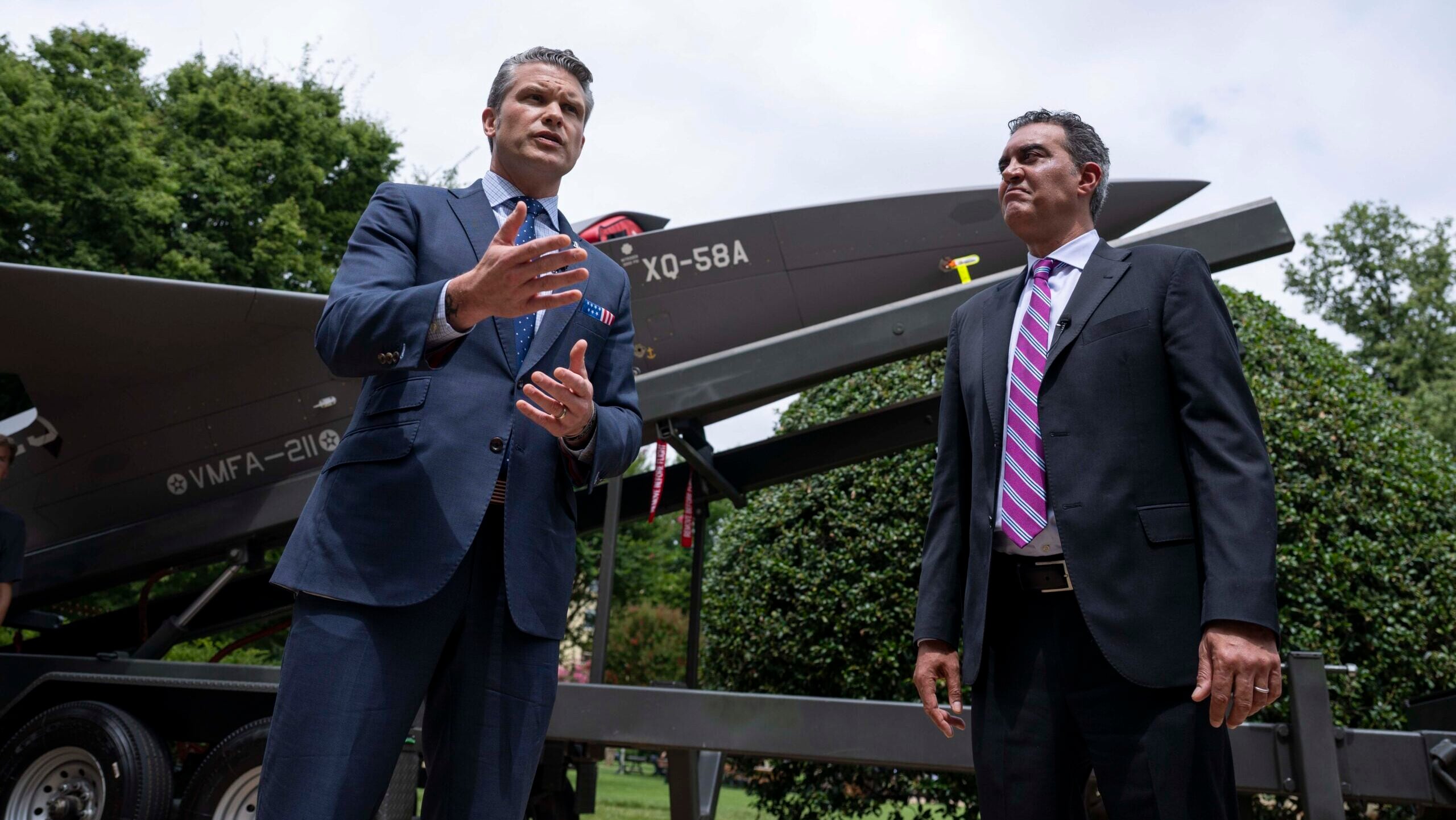
Under Secretary for Research & Engineering Emil Michael pruned a sprawling list of “critical technology areas” down from 14 to just six: AI, quantum, biomanufacturing, contested logistics, directed energy (lasers, microwave weapons, et al), and hypersonics. His aim: “deliver capabilities” in three years or less.

Missile speed, maneuverability, and destructive power requires more capable payloads for accelerated kill chain timelines.